

INTRODUCTION:
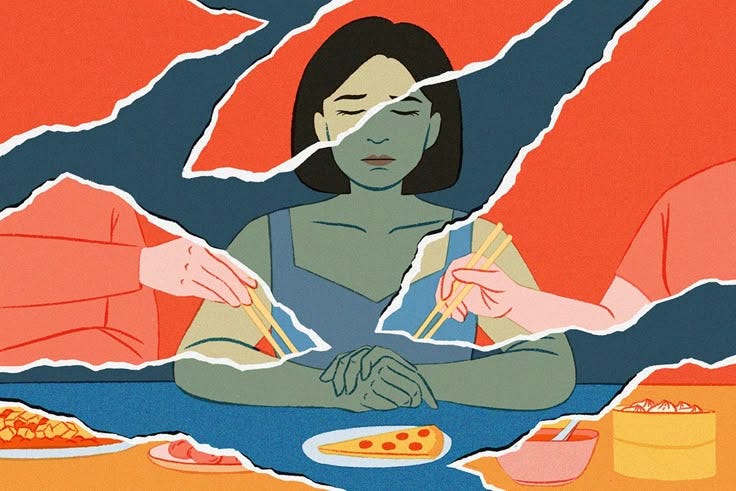
It always fascinates me how closely our mind and body are connected. Maintaining both is what called as a “healthy body”. Understanding how the state of our minds casts such a strong shadow over our eating habits is important. When I consider eating disorders, I see more than a struggle with food or weight, they are deeply connected to some complex psychology.
WHAT ARE EATING DISORDERS?
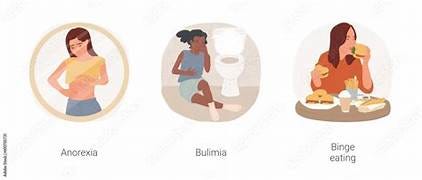
It is the pattern of trouble caused to the eating habits of an individual. It can lead to poor mental and physical health. People stuck with eating disorders probably suffer from several types of disorders that are deeply connected to our psyche:
1.Anorexia Nervosa:
A very serious disorder caused due to food restriction. This condition is driven by fear of distorted physical appearance specifically weight gain.
2.Bulimia Nervosa:
Bulimia nervosa is a serious but treatable mental health condition in which a person becomes trapped in a cycle of:
a. Binge eating (Eating unusually large amounts of food within a short period)
b. Compensatory behaviors (purging, fasting, excessive exercise, or laxatives)
c. Emotional distress (guilt, shame, fear of weight gain)
3.Avoidant/Restrictive Food Intake Disorder (ARFID):
The disorder that involves failure to meet adequate nutritional level, leading to following conditions:
- Significant weight loss or poor growth
- Nutritional deficiencies
- Dependence on supplements
- Low appetite
4. Pica:
- Eating non-food items (chalk, dirt, paper, hair)
- Linked to nutritional deficiencies, stress, or developmental conditions
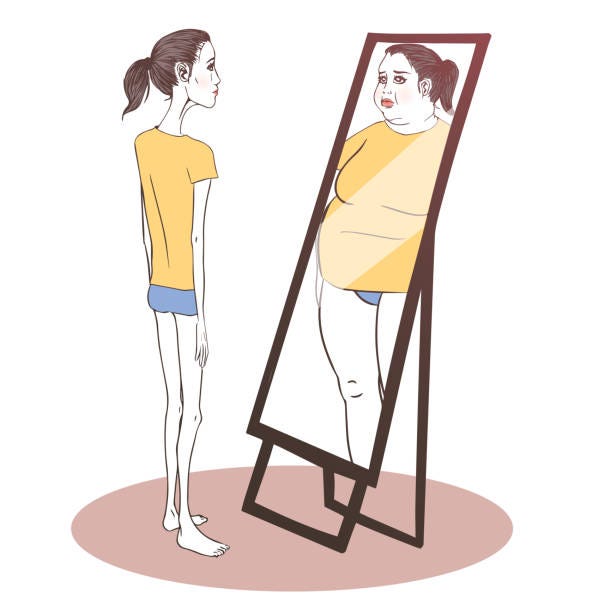
Understanding eating disorders also involves recognizing the potential consequences they can have on mental health. The physical effects of these disorders are well-documented, including severe malnutrition, organ damage, and in extreme cases, death. However, the psychological implications can be equally harmful. Individuals suffering from eating disorders often grapple with a distorted body image, overwhelming shame, and isolation.
WHY EATING DISORDER HAPPENS?
Insecure about body image which involves persistent weight loss and gain, body shape etc. Understanding why eating disorders happen is crucial for awareness, prevention, and treatment.
The factors that causes eating disorder are:
a. BIOLOGICAL FACTORS (How the body and brain contribute):
Genetic: studies suggest that individuals with a family history of eating disorders may be more likely to develop similar conditions themselves.
Hormonal: Neurotransmitters, especially serotonin, norepinephrine and dopamine, are also implicated in regulating mood and appetite. When these chemicals are out of balance, it can lead to disordered eating patterns.
b. PSYCHOLOGICAL FACTORS (How thoughts and emotions play a role):
Individuals with these conditions struggle with underlying issues such as anxiety, depression, trauma, or low self-esteem.
Also body image, insecure about physical appearance raises control over food habits as a way to escape with their feelings of imperfection.
c. INFLUENCE OF SOCIAL MEDIA PLATFORMS:
Social media platforms plays vital role in development of this disorder. Content related to what to eat, what not to eat, excessive exercise, dieting etc. to lose or gain weight, promoting beauty hacks that are unrealistic.
d. ENVIRONMENTAL FACTORS:
Bullying, teasing, criticizing about someone’s appearance are some of the environmental factors that contribute in eating disorder. Peer pressure, family expectations, societal norms regarding physical feature make people doubt their own selflessness.
TREATMENTS FOR EATING DISORDER:
A. PSYCHOLOGICAL TREATMENTS:
1 .Cognitive-Behavioral Theory:
It is one of the most widely practiced therapy which helps the victims to identify their eating patterns and change their perspective towards their self-defeating thoughts. By following these advises, it helps in building healthier coping skills and develop a positive image towards food and physical appearance.
2. Dialectical Behavior Therapy (DBT):
It is a type of vocal therapy. People who face challenges emotionally, it’s a special therapy for them. It helps them understand their own thoughts, perspectives, emotions and behaviors. Accepting the reality of life, focusing on the positive side and controlling over their emotions and behaviors.
3. Family-Based Treatment (FBT):
It is also known as Maudsley approach. This involves treating disorder during adolescents . Involvement of family is necessary in this therapy to understand the mindset of children and help them recover from it.
B. NUTRITIONAL THERAPY:
It is a therapy that involves consultation of a registered dietitian(RD) to improve your food habits, restore physical health, recover psychological support and normalize eating behaviors.
C. PHYSICAL THERAPIES:
It assists in rebuilding and restoring physical health and its functions, reconnecting patients with their bodies and supporting mental stabilization. It aids in:
a. joint pain
b. muscle weakness
c. dizziness
d. body balance
e. bone strength
There are various types of physical therapies:
i. Physiotherapy:
Therapy done by a licensed therapist, who can help patients with rebuilding and restoring strength after malnutrition, provides mobility after a long period of inactivity, bone strength exercises that is beneficial for patients with low bone density and breathing and relaxation technique to reduce stress and anxiety.
ii. Dance / Movement Therapy (DMT):
It is one form of psychotherapy that involves movement of the body to show that our emotional, physical, cognitive and social are interconnected and are one unit. It mainly shows how our mental and physical health connect with each other.
This therapy involves: breathing and relaxation, social interaction, symbolic movements, body awareness practices etc. It basically creates a healthy relationship between your body and mind.
iii. Craniosacral Therapy:
It assists the craniosacral system, the membranes and cerebrospinal fluid surrounding the brain and spinal cord. It helps in regulating the nervous system, and support emotional and physical balance. A hands-on therapy.
This therapy involves light touch where the therapist detect the parts or points in the body of the client where the tension has to be released to feel relaxed. It is a supportive, adjunct therapy.
CONCLUSION:
In conclusion, early detection and proper medication is important to treat this disorder. Understanding about it and treating it properly is first step towards healing. Educating, encouraging and openly interacting about it open pathways to seek help sooner. Everyone deserves to live their life the fullest rather feeling unsafe and insecure about their body image, a life filled with strength, happiness not restrictions and trauma. You live ones, who knows what future holds, you are alive today, enjoy it, stay the way you want to, empower yourself and let the world see how you glow with your own happiness and success.

You must be logged in to post a comment.